What is a Marketing Funnel

Published On: August 15th, 2025

If you’ve ever tried to grow a business, you’ve likely heard the term “marketing funnel” thrown around. But what exactly is it—and why should it matter to you?

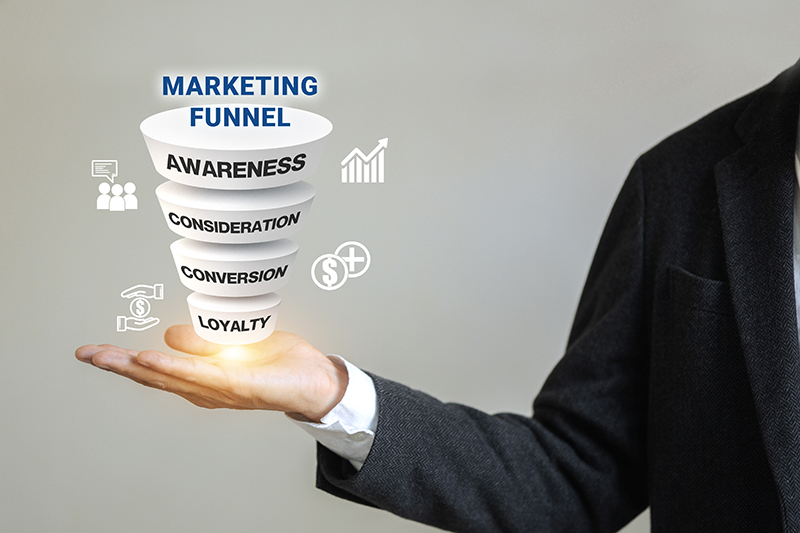
The marketing funnel is a visual model that represents the customer journey from the first moment they hear about your brand to the point they make a purchase—and ideally become loyal advocates. The funnel shape reflects how the pool of potential customers narrows at each stage.

Typically, the funnel is broken down into three key stages:
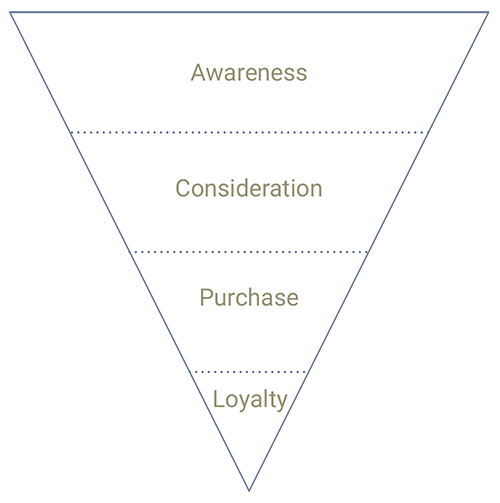
  • Top of Funnel (TOFU): Awareness

    This is where people first discover your brand. They might see an Instagram ad, read a blog post, or hear about your product from a friend. The goal here is visibility—you want to reach as many potential customers as possible and make a strong first impression.

  • Middle of Funnel (MOFU): Consideration

    At this stage, people are aware of your brand and are considering their options. They might visit your website, compare your offering to competitors, or sign up for your newsletter. The goal here is to build trust and educate—show why you’re the right choice.

  • Bottom of Funnel (BOFU): Conversion

    Now the potential customer is ready to take action. They might schedule a call, add something to their cart, or click “buy now.” Your job here is to remove friction and make the process as seamless and compelling as possible.

Some funnels include a fourth stage—Loyalty or Advocacy—where you turn happy customers into repeat buyers and brand promoters.

Why Is the Marketing Funnel Important?

  • Provides Structure

    The funnel gives you a clear framework to guide your marketing efforts. It helps you organize your content and campaigns according to your audience’s stage in their journey.

  • Improves Targeting

    Each funnel stage calls for a different strategy. For instance, social media ads work well at the top of the funnel, while testimonials and product demos are more effective near the bottom.

  • Boosts Conversions

    Understanding where your audience is in the funnel allows you to deliver the right message at the right time—leading to more conversions and less wasted effort.

  • Helps Prioritize Resources

    Not every lead will be ready to buy immediately. A funnel helps you identify who needs nurturing versus who is ready to close—so you can allocate your time and budget wisely.

  • Strengthens Customer Relationships

    By guiding leads through a thoughtful, value-driven process, you create better customer experiences—and that leads to greater loyalty and word-of-mouth.

Final Thoughts

Whether you’re a solo entrepreneur or managing a full marketing team, understanding the marketing funnel is essential. It’s not just a buzzword—it’s a powerful way to turn strangers into loyal customers with intention and clarity.

By mapping your efforts to each stage of the funnel, you’ll stop guessing and start building smarter, more effective campaigns.